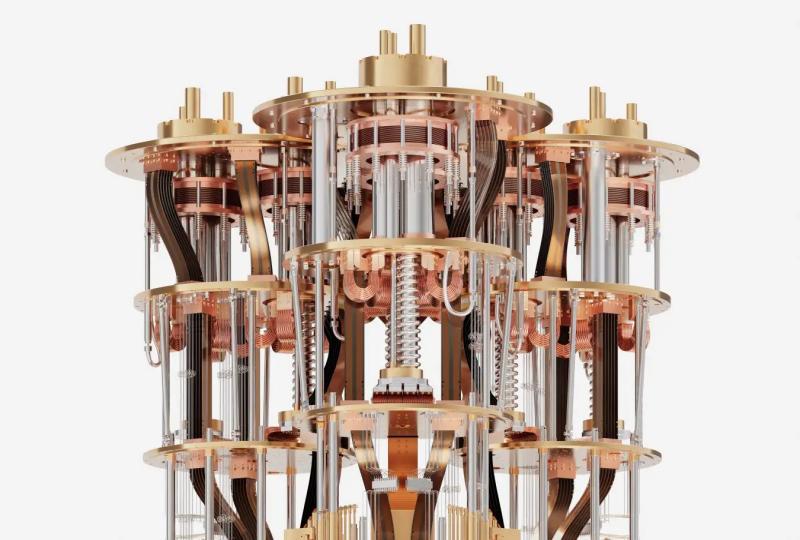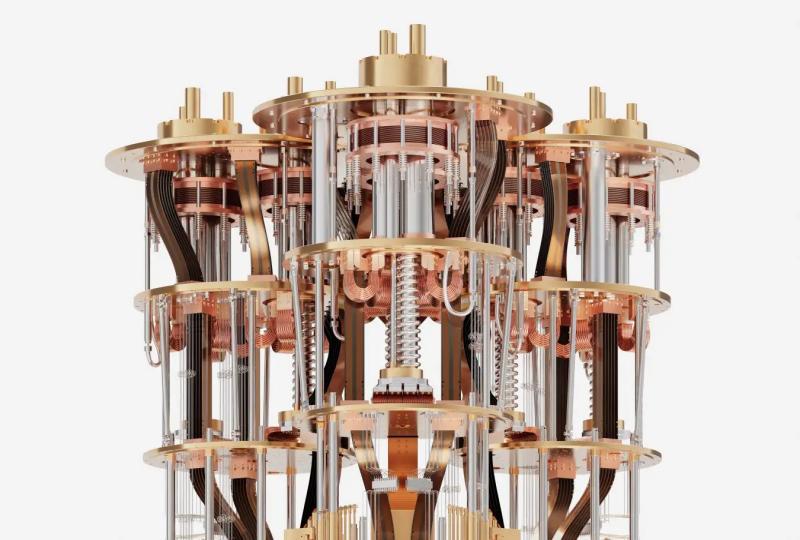

OEM Superconducting Quantum Computer Solutions
2026.10.29 · Blog oem superconducting quantum computer
An OEM superconducting quantum computer project requires clear hardware specifications, compatible system components, reliable manufacturing processes, and well-defined delivery responsibilities. Businesses developing quantum products or integrating quantum technology need to determine which components can be customized, how intellectual property will be managed, and what testing is required before delivery. Choosing the right manufacturing partner helps reduce development risks and creates a more practical path from quantum hardware design to system integration and deployment.
What Does an OEM Superconducting Quantum Computer Manufacturer Provide?
An OEM superconducting quantum computer manufacturer may support different parts of the hardware development and production process. The scope depends on the supplier's capabilities and the customer's technical requirements. Some projects focus on quantum processing units, while others require broader support for hardware integration or complete computing systems.
Quantum Processing Units and Hardware Modules
The quantum processing unit (QPU) is a central component of a superconducting quantum computer. Its design influences qubit connectivity, gate operations, coherence characteristics, and the experiments a system can support.
OEM-related projects may involve custom chip layouts, fabrication based on customer designs, packaging, or performance characterization. The appropriate arrangement depends on whether the customer already has a validated design or needs engineering support during development.
For organizations seeking specialized chip manufacturing, superconducting QPU manufacturing and characterization services can support the transition from chip design to fabrication, packaging, and testing.
Control Electronics and Cryogenic Integration
A superconducting QPU cannot operate independently. It requires control and readout electronics, microwave signal paths, wiring, and a cryogenic environment that maintains the processor at extremely low temperatures.
These components must work together within defined electrical, thermal, and mechanical constraints. An OEM project should establish which party is responsible for component selection, interface design, integration, and system-level verification.
The more clearly these responsibilities are defined, the easier it becomes to identify compatibility issues before final assembly.
Software Interfaces and Complete Systems
Hardware integration also involves software interfaces for circuit compilation, job execution, device control, and measurement data processing. These interfaces determine how easily a quantum processor can connect with an existing software environment or a customer's broader product architecture.
Depending on the project, a manufacturer may provide an individual hardware component, an integrated subsystem, or a complete quantum computing platform. Buyers should confirm the actual deliverables instead of assuming every OEM supplier provides a turnkey system or private-label product.
OEM vs. ODM in Superconducting Quantum Computing
OEM and ODM describe different approaches to product development and manufacturing, although commercial definitions can vary between suppliers.
In an OEM arrangement, the customer typically defines the product requirements or supplies a design, while the manufacturing partner produces the agreed hardware. The customer may retain responsibility for system architecture, product positioning, and final integration.
An ODM arrangement generally gives the supplier a larger role in product design and engineering. The customer may adapt an existing platform or work with the supplier to develop a product around specific functional requirements.
For superconducting quantum computing, the distinction matters because the technology requires coordination across chip design, fabrication, cryogenics, control electronics, and software.
Before selecting a model, clarify the following points:
-
Design ownership: Who defines the architecture and approves engineering changes?
-
Development scope: Does the project involve manufacturing an existing design or creating a new one?
-
Intellectual property: Which party owns pre-existing designs, newly developed technology, and manufacturing documentation?
-
Validation responsibilities: Who performs component-level testing and system-level acceptance?
-
Commercial rights: Are there restrictions on resale, product branding, distribution, or future modifications?
These terms should be documented in the agreement. The OEM or ODM label alone does not establish ownership, exclusivity, or manufacturing obligations.
Customization Options for Superconducting Quantum Computer Hardware
Customization should begin with the intended application and measurable technical requirements. A specification that identifies the target use case, operating conditions, interfaces, and acceptance criteria is more useful than a general request for a customized quantum computer.
QPU Architecture and Hardware Configuration
QPU requirements may include qubit count, connectivity, coupling architecture, chip layout, and target performance parameters. These choices influence the complexity of fabrication, control requirements, and the types of experiments the system can support.
Not every design can be manufactured using the same process, and a proposed configuration may require multiple design and validation iterations. Customers should discuss fabrication constraints and expected performance with the engineering team before finalizing a design.
A practical specification should distinguish target values from verified acceptance limits. This helps both parties evaluate whether a delivered chip meets the agreed requirements.
Control, Readout, and Cryogenic Interfaces
Control and readout requirements should be considered alongside the QPU design. Relevant parameters may include microwave frequencies, signal routing, wiring density, measurement configuration, thermal loading, and connections to external instruments.
Cryogenic integration introduces additional constraints. The system must maintain the required operating temperature while accommodating cabling, filtering, shielding, and mechanical support.
Customers integrating a processor into an existing laboratory or product platform should provide interface specifications early. Doing so helps reduce redesign work and makes integration testing more predictable.
Software Integration and Product Requirements
Software compatibility is another important consideration when developing an OEM quantum computing product. Teams should define how users will submit circuits, configure experiments, access measurement results, and communicate with the hardware.
If the product must connect with an existing software framework, programming interface, or orchestration environment, those requirements should be included in the initial scope. The project should also clarify who maintains software interfaces and handles compatibility changes.
For organizations evaluating an integrated hardware platform, the SpinQ superconducting quantum computer combines quantum chips, cryogenic infrastructure, control systems, and supporting software. The appropriate configuration depends on the intended application and confirmed project requirements.
How to Evaluate an OEM Superconducting Quantum Computer Supplier
A qualified supplier should demonstrate more than the ability to manufacture a physical component. The evaluation should cover engineering expertise, production processes, test documentation, integration experience, and long-term technical support.
Engineering and Manufacturing Capabilities
Assess whether the supplier has the facilities, equipment, and engineering experience required for the proposed project. For QPU manufacturing, this may include microfabrication processes, chip packaging, design support, and low-temperature characterization.
For system-level work, examine experience with control electronics, cryogenic integration, hardware interfaces, and software compatibility.
Ask the supplier to explain which activities are performed in-house, which depend on external partners, and how engineering changes are managed. This provides a clearer view of the supplier's actual capabilities and potential project dependencies.
Quality Control, Testing, and Acceptance Criteria
Quality requirements should be defined before manufacturing begins. Depending on the deliverable, testing may cover fabrication quality, electrical characteristics, qubit coherence, gate performance, readout behavior, or system integration.
The acceptance plan should specify measurement conditions, required documentation, pass-or-fail thresholds, and the procedure for handling nonconforming components.
For example, a QPU performance report should identify the measured parameters and test conditions so that results can be interpreted consistently. System-level acceptance may require additional verification under the customer's intended operating conditions.
Intellectual Property and Long-Term Support
Quantum hardware projects can involve sensitive design files, fabrication processes, calibration data, software interfaces, and proprietary engineering methods. Contracts should define how these materials are protected and which rights each party receives.
It is also important to establish technical support arrangements. These may include troubleshooting, replacement policies, documentation updates, engineering change notifications, and support for future hardware revisions.
For long-term projects, discuss the availability of critical components and the implications of design changes. Clear expectations can help prevent maintenance and integration issues after delivery.
Key Requirements for an OEM Quantum Computing Project
Before requesting a quotation, prepare a project brief that translates business objectives into technical and commercial requirements.
The brief should cover:
-
Intended application and target users.
-
Required deliverables, including chips, subsystems, software, or complete systems.
-
Hardware specifications and interface requirements.
-
Testing procedures, acceptance thresholds, and required documentation.
-
Intellectual property ownership, confidentiality, and permitted commercial use.
-
Project milestones, design reviews, delivery expectations, and change-control procedures.
-
Technical support, maintenance responsibilities, and future development needs.
The project should also distinguish prototype development from repeat production. A prototype may demonstrate that a design is technically feasible, while repeat production requires consistent manufacturing processes, documented quality controls, and reproducible testing.
A phased plan can help manage uncertainty. Initial feasibility assessment can be followed by design review, prototype fabrication, characterization, integration testing, and production planning. Each phase should have clear deliverables and approval criteria before the next phase begins.
Superconducting Quantum Computing Solutions from SpinQ
SpinQ develops superconducting quantum computing hardware and integrated systems, with capabilities spanning quantum chip design and fabrication, cryogenic infrastructure, control systems, and supporting software.
Our QPU manufacturing and characterization services support chip design guidance, manufacturing based on designed layouts, cryogenic packaging, testing, and characterization. These services are relevant to organizations developing or validating superconducting quantum processors and seeking manufacturing support without establishing every fabrication capability internally.
For system-level requirements, our superconducting quantum computing solutions bring together key hardware and software components to support research and industrial development.
The specific scope of an OEM or customized manufacturing project must be assessed against the required deliverables, design ownership, integration needs, and commercial terms. We recommend discussing these details early to determine the most suitable technical and cooperation model.
Discuss Your OEM Superconducting Quantum Computer Requirements
An effective OEM superconducting quantum computer project starts with a clear understanding of the required hardware, customization scope, validation process, and commercial responsibilities. Whether your objective is QPU manufacturing, hardware integration, or a broader quantum computing solution, our team can discuss your technical requirements and evaluate potential cooperation options. Contact SpinQ to outline your project goals, target specifications, and expected deliverables.
.jpg)
Featured Content