
How to Calibrate an NMR Quantum Computer?
2026.10.13 · Blog calibration NMR quantum computer
Reliable NMR quantum computing experiments depend on stable pulse control and consistent measurement. Calibration connects these two parts by aligning control parameters with the expected response of the quantum system. A clear calibration process also helps users identify pulse errors before they affect quantum gates and algorithm experiments.
Why Calibration Matters in an NMR Quantum Computer
An NMR quantum computer uses nuclear spin states as qubits, while radio-frequency pulses control their evolution. The resulting NMR signals provide information about the quantum state. Because quantum operations depend on accurate pulse control, calibration is an important step before running practical experiments.
For users working with an NMR quantum computer, calibration provides a direct connection between physical hardware and quantum computing. It allows users to see how changes in pulse parameters affect qubit rotations and measured results.
Preparing the System for NMR Calibration
Before adjusting individual pulse parameters, we need a consistent experimental condition. This makes the calibration process easier to follow and helps us compare measurements accurately.
Check the Experimental Setup
Confirm that the quantum computer, control system, sample, and measurement configuration are ready for operation. The initial setup should provide a stable basis for the measurements that follow.
During first use, calibration follows hardware installation and system checks. The goal is to establish predictable system behavior before users move into quantum experiments. Our installation guidance also covers the transition from system setup to practical operation.
Keep Test Conditions Consistent
Use the same basic sequence when comparing calibration settings. Change one relevant parameter at a time and record the corresponding response.
Keeping the test conditions consistent makes it easier to determine whether a change comes from the pulse setting or from another part of the experiment.
NMR Quantum Computer Pulse Calibration
Once the experimental condition is stable, pulse calibration becomes the central part of the process. The goal is to find pulse parameters that produce the intended qubit rotation.
Adjust Pulse Amplitude and Duration
Pulse amplitude and duration determine how the RF field acts on the spin system. To find suitable settings, gradually change these parameters and observe the resulting response.
A practical calibration sequence is:
-
Apply a controlled RF pulse.
-
Change the pulse amplitude or duration.
-
Measure the resulting signal.
-
Compare the response across different settings.
-
Identify the setting that produces the intended rotation.
-
Repeat the measurement to confirm consistency.
This process connects a physical RF control parameter with a specific quantum operation.
Check the Pulse Phase
Amplitude and duration are only part of pulse control. Pulse phase also determines the direction of the rotation in the control frame.
After establishing a stable pulse response, check the phase settings with simple gate sequences. This helps create consistent control for rotations around different axes.
Using Rabi Oscillation for Pulse Calibration
Rabi oscillation is useful because it shows how the spin response changes as the applied RF pulse is varied. The measured oscillation provides a practical reference for identifying pulse conditions that correspond to specific rotations.
Find the Desired Rotation
Run a Rabi experiment while varying the pulse condition. The oscillation can help identify the pulse conditions associated with π and π/2 rotations.
NMR quantum computer benchmarking can also combine Rabi oscillation with Ramsey fringe and spin-echo measurements to examine rotation behavior and coherence. These measurements connect pulse calibration with the observed behavior of the quantum system.
Repeat the Measurement
A single measurement does not establish whether a calibration is stable. Repeat the same experiment under consistent conditions and compare the results.
If the response changes noticeably, review the pulse parameters and experimental conditions before moving to quantum gate verification.
Verifying Calibration with Quantum Gates
After pulse parameters have been calibrated, the next step is to see whether they perform correctly in quantum operations. This moves the calibration process from individual pulses to complete gate sequences.
Test Single-Qubit Operations
Begin with simple single-qubit gates. Observe whether the measured state follows the expected evolution and whether repeated runs produce similar results.
Pay attention to:
-
Rotation angle
-
Rotation direction
-
Signal stability
-
Measurement repeatability
-
Differences between expected and measured states
This makes it easier to determine whether an unexpected result comes from pulse control or from the quantum circuit.
Move to Two-Qubit Experiments
Once single-qubit operations are stable, two-qubit experiments can provide another level of verification. These experiments introduce additional pulse sequences and interactions, which can reveal issues that are not visible in single-qubit operations.
For hands-on quantum computing, this stage can lead naturally to Bell state preparation and verification before moving into algorithm experiments.
Troubleshooting NMR Quantum Computer Calibration
Calibration problems commonly appear as unstable signals, unexpected rotations, or quantum gate results that differ from the expected behavior. A structured troubleshooting process helps narrow down the cause without changing several parameters at once.
When the Signal Is Unstable
First check whether the same experimental conditions are being used. Review the pulse sequence, measurement configuration, and other settings that affect the measurement.
Stable and repeatable measurements are especially important in hands-on quantum computing experiments, where users need to distinguish system behavior from experimental variation.
When the Pulse Response Is Incorrect
If the measured rotation does not match the expected result, return to the pulse calibration step. Check amplitude and duration first, then review the phase if the rotation direction is incorrect.
Rabi oscillation can provide a useful reference for checking whether the selected pulse conditions produce the intended rotation.
When Quantum Gates Produce Unexpected Results
If individual pulses appear stable but a complete gate sequence produces an unexpected result, inspect the sequence as a whole.
Check the:
-
Pulse order
-
Pulse timing
-
Phase settings
-
Measurement configuration
-
Initial quantum state
Changing one parameter at a time makes the source of the error easier to identify.
When an NMR Quantum Computer Needs Recalibration
Calibration is not simply a one-time procedure. The need for recalibration depends on operating conditions and changes observed during experiments.
Recalibration can be useful when:
-
The system is being prepared for its first experiment.
-
Pulse responses have changed.
-
Repeated measurements become inconsistent.
-
A previously stable gate sequence begins producing different results.
-
Experimental conditions have changed.
For teaching laboratories, keeping a simple calibration record can also help instructors track changes in pulse behavior and experimental performance.
Connecting Calibration with Quantum Experiments
Calibration becomes most useful when it leads directly into practical quantum computing. Once pulse control is established, users can progress from individual rotations to quantum gates, entangled states, and algorithm-level experiments.
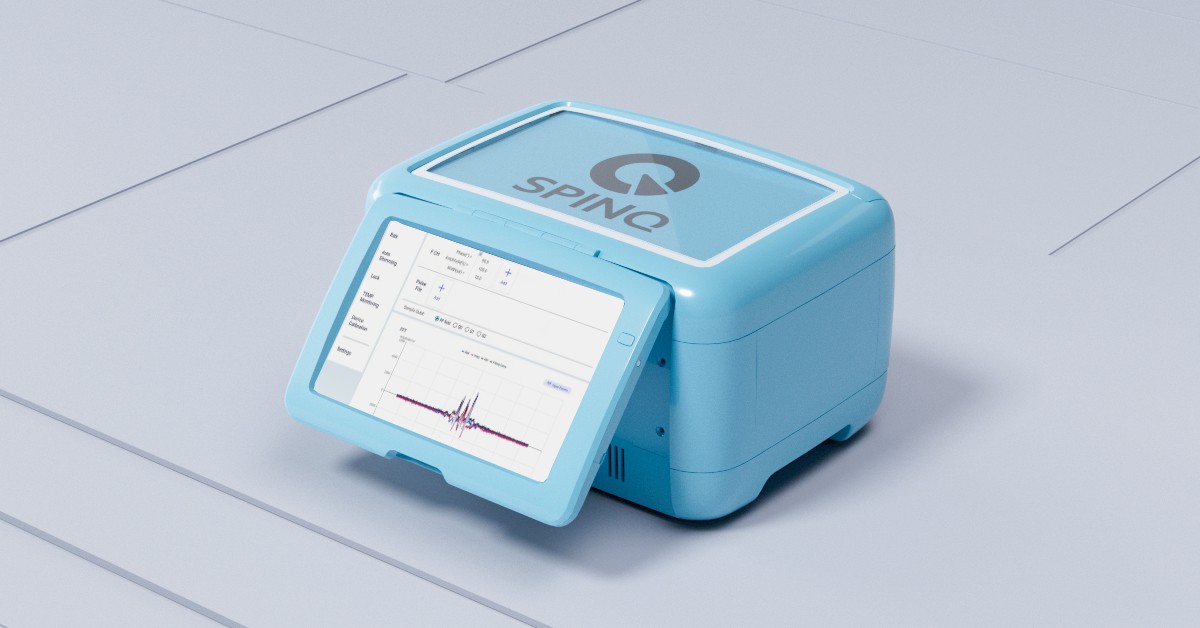
Our Triangulum II is a 3-qubit desktop NMR quantum computer. Its experimental program covers Rabi oscillation and pulse calibration, relaxation-time measurement, single- and double-qubit gate operations, Bell state preparation and verification, and Deutsch/Grover algorithms. The basic experiment program provides over 16 hours of content.
This creates a practical progression:
Calibration → Pulse Control → Quantum Gates → Measurement → Algorithms
The progression helps users understand how physical control settings influence the output of a quantum circuit.
Choosing an NMR Quantum Computer for Hands-On Work
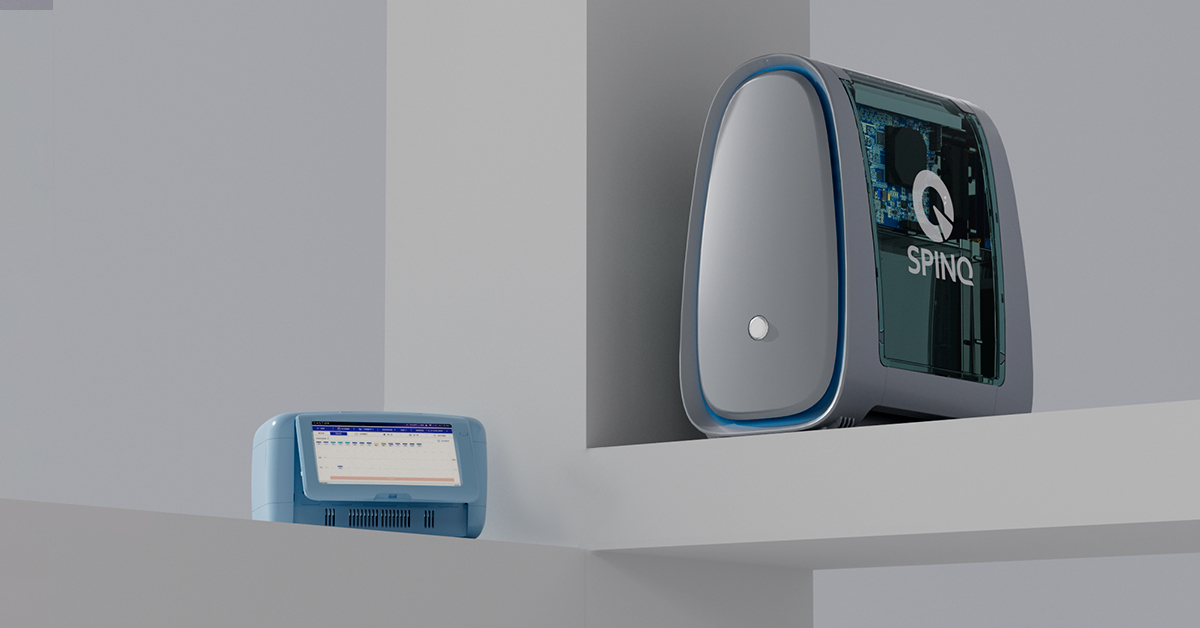
The appropriate NMR quantum computer depends on the depth of experimentation required. Our NMR quantum computing products include 2-qubit Gemini Mini and Gemini Mini Pro systems, a 3-qubit Triangulum II desktop system, and Gemini Lab for laboratory applications.
When selecting a platform, consider the type of experiments you plan to perform, the required qubit number, the level of pulse control available, and how deeply users need to interact with the experimental process.
For institutions building a broader quantum computing program, our quantum computing solutions connect quantum hardware with practical learning and experimentation.
Building a Practical NMR Quantum Computing Workflow
A useful calibration process should make the next experiment easier to understand and reproduce. By checking the experimental setup, calibrating RF pulses, using Rabi oscillation to examine pulse response, and verifying the results with quantum gates, users can build a clear connection between physical control and quantum computation.
For universities and laboratories, this workflow provides a practical foundation for hands-on quantum education and experimental research. Our quantum computing news and updates provide additional information about NMR quantum computing, experiments, benchmarking, and related developments.
If you are selecting an NMR quantum computer for a university laboratory, quantum computing course, or research program, you can contact our team to discuss the required qubit capacity, experimental content, and application requirements.
.jpg)
Featured Content