
How Do Ultra-Low-Temperature Superconducting Qubits Work?
2026.09.18 · Blog ultra-low-temperature superconducting qubit
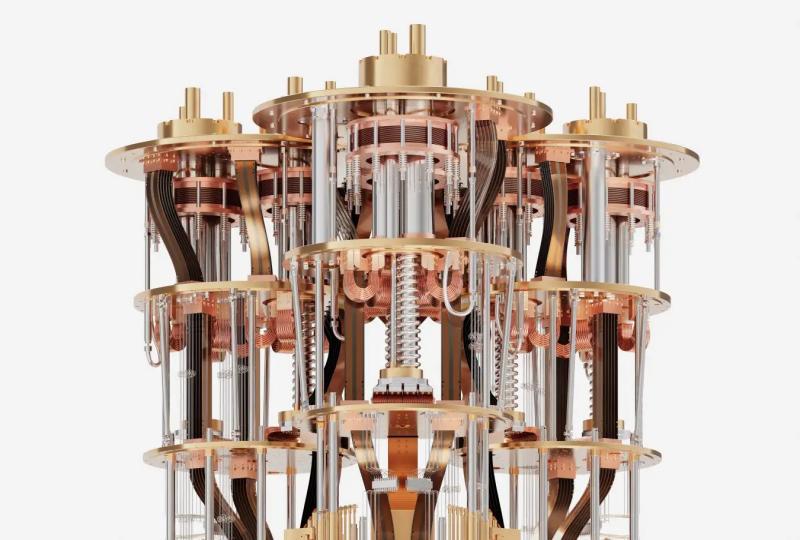
Ultra-low-temperature superconducting qubits operate in a carefully controlled cryogenic environment where quantum states can be maintained and precisely manipulated. For superconducting quantum computing, the relationship between the QPU, cryogenic system, and measurement electronics directly affects how effectively the processor can operate.
SpinQ develops superconducting quantum computing solutions covering the QPU, cryogenic environment, and quantum control and measurement system, providing a coordinated hardware foundation for research and system deployment.
Why Do Superconducting Qubits Need Ultra-Low Temperatures?
Superconducting qubits require temperatures in the millikelvin range because their operation depends on maintaining a highly stable quantum environment. SpinQ's QPU C Series is engineered to operate at around 20 mK, with a high Qi factor, extended coherence times, and strong circuit uniformity.
Temperature and Qubit Stability
At ultra-low temperatures, the superconducting circuit can maintain the conditions required for quantum operations. Temperature stability therefore becomes part of the overall performance of the quantum processor rather than simply a cooling requirement.
For this reason, 20 mK superconducting QPU technology is closely connected to the design of the complete cryogenic and control environment.
How Does an Ultra-Low-Temperature Superconducting Qubit Work?
A superconducting qubit uses a circuit incorporating Josephson junctions to create controllable macroscopic quantum states. These states provide the basis for quantum information processing and multi-qubit operations.
From QPU to Quantum Operations
The QPU provides the physical platform for quantum operations, while microwave signals are used to control and measure the qubits. This requires precise coordination between the quantum chip and the electronics connected to it.
The lower the temperature and the more stable the surrounding environment, the more effectively the system can maintain the operating conditions required by the QPU.
What Does the Cryogenic System Do for a Superconducting Qubit?
Reaching millikelvin temperatures is only one part of superconducting quantum computing. The cryogenic environment must also provide stable thermal conditions, appropriate signal transmission, and reliable operation over the course of an experiment.
Millikelvin Cooling
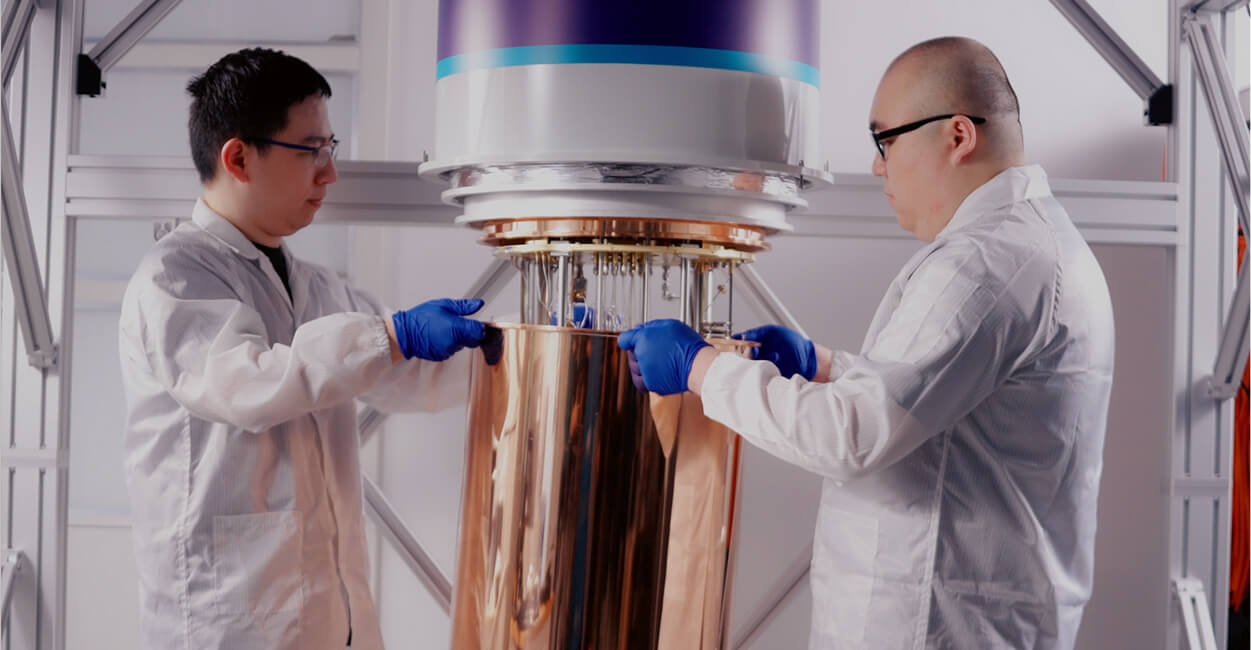
SpinQ's cryogenic deployment solutions support operating environments at approximately 10 mK. They cover dilution refrigerators as well as cryogenic RF components and related deployment requirements. The solutions also include low-vibration design, intelligent monitoring, and visualized cryogenic operation.
For laboratories planning a superconducting quantum computing system, millikelvin cryogenic deployment therefore needs to be considered together with the QPU and its signal chain.
Beyond the Refrigerator
A practical cryogenic system also needs suitable RF components and thermal management. Proper integration helps maintain the operating environment while allowing control and measurement signals to reach the QPU reliably.
How Are Superconducting Qubits Controlled and Measured?
Once the QPU reaches its operating temperature, accurate control and measurement become essential. Microwave signals need to be generated, transmitted, collected, and processed with sufficient precision to support quantum operations.
Precise RF Control
The SPINQ QCM System uses a modular architecture with high-precision RF control electronics and FPGA-based hardware acceleration. It is designed to manage the measurement and control of hundreds of qubits, while supporting qubit characterization and calibration.
This makes superconducting qubit control and measurement an important part of the system architecture, rather than an independent function added after the QPU and cryogenic system are completed.
Calibration Supports Reliable Operation
Qubit parameters and control signals need to be characterized and calibrated as part of system operation. A suitable control platform can reduce the complexity of this process and provide a more consistent environment for quantum experiments.
How Does Cryogenic Infrastructure Affect System Integration?
A superconducting quantum computer brings together several closely connected components. The QPU operates at millikelvin temperatures, while control and measurement electronics must communicate with the chip through the cryogenic signal chain.
Coordinating the Core Components
A complete system may include:
-
Superconducting QPU
-
Millikelvin cryogenic system
-
Cryogenic RF components
-
Quantum control and measurement electronics
-
Quantum computing software
Each component needs to work within the same system architecture. This is particularly important as the number of qubits increases and control requirements become more demanding.
What Should You Consider When Choosing a Superconducting Qubit System?
The right configuration depends on the intended research or application requirements. Instead of evaluating the QPU alone, it is more useful to consider the complete operating environment.
Key Technical Considerations
Important factors include:
-
QPU operating temperature
-
Coherence performance
-
Circuit uniformity
-
Cryogenic stability
-
RF signal quality
-
Control and measurement capability
-
System scalability
-
Deployment and integration requirements
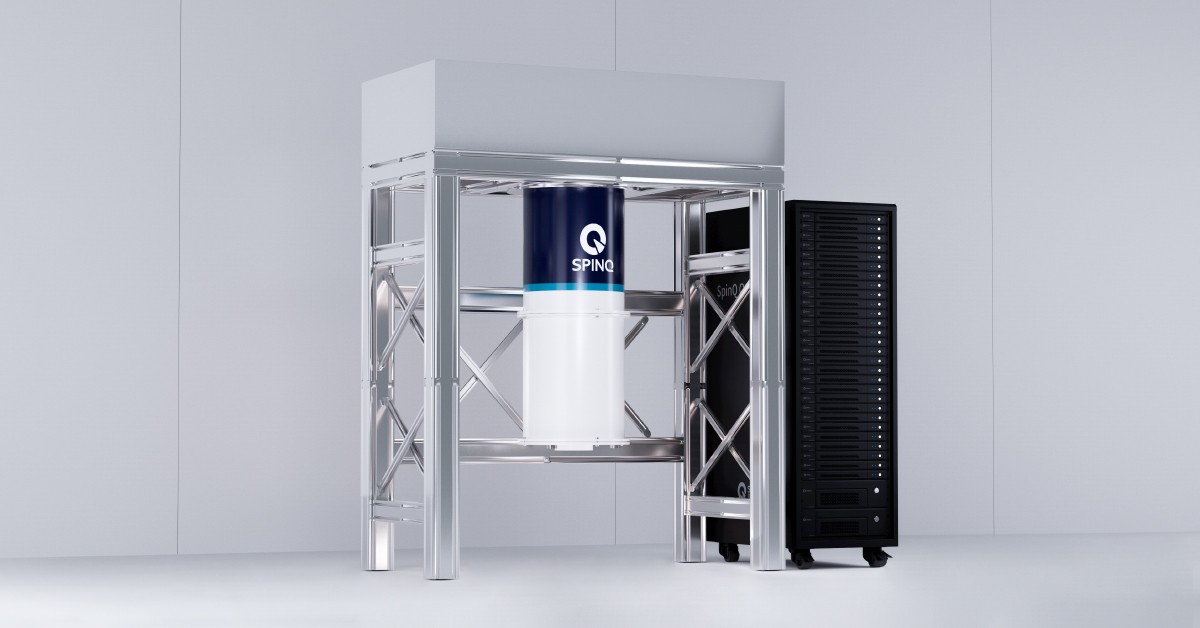
SpinQ's superconducting quantum computing portfolio connects these requirements across the QPU, cryogenic environment, and control and measurement layers. The SPINQ SQC architecture, for example, integrates the QPU, millikelvin cryogenic system, QCM system, and software into one superconducting quantum computing platform.
How Can Ultra-Low-Temperature Superconducting Qubits Support Scalable Quantum Computing?
Scaling a superconducting quantum system requires more than increasing the number of qubits. The cryogenic environment, signal chain, control electronics, and measurement architecture must scale with the processor.
Building Around the QPU
SpinQ's QPU C Series provides superconducting quantum chips designed for high-coherence and high-stability applications at around 20 mK. The SPINQ QCM System provides modular control and measurement capability for hundreds of qubits, creating a path from individual QPU operation toward larger quantum systems.
Planning the Complete System
For organizations developing superconducting quantum computing capabilities, early coordination between the QPU, cryogenic infrastructure, and control system can simplify deployment and future expansion.
When the technical requirements are clear, SpinQ superconducting quantum computing solutions can be configured around the intended QPU, cryogenic environment, and experimental objectives.
What Is the Next Step for an Ultra-Low-Temperature Superconducting Qubit Project?
An ultra-low-temperature superconducting qubit is not an isolated component. Its performance depends on a stable millikelvin environment, reliable RF connections, accurate control, and precise measurement.
For a new superconducting quantum computing project, defining the QPU requirements, operating temperature, cryogenic infrastructure, control system, and scalability requirements together provides a clearer path toward system deployment.
Featured Content