
Quantum Computing Control Systems Drive More Reliable Experiments
2026.10.15 · Blog quantum computing control system
Quantum experiments depend on precise operations, consistent timing, and reliable measurements. Even when a quantum processor has suitable capabilities, poorly coordinated control signals or inconsistent experimental procedures can make results difficult to reproduce.
A quantum computing control system connects software instructions with physical hardware operations. It coordinates signals, manages timing, supports measurement, and helps researchers execute experiments consistently. Understanding these functions allows laboratories to evaluate control equipment based on their research needs instead of focusing on individual hardware specifications alone.
Why Control Quality Matters in Quantum Experiments
A quantum control system influences how accurately researchers execute operations and interpret experimental results.
Small Control Errors Can Affect Entire Experiments
Control errors can arise from several sources:
-
Signal deviations: Differences in pulse amplitude, frequency, or phase can affect the intended quantum operation.
-
Timing inconsistencies: Poor synchronization can disrupt experiments involving multiple channels or coordinated operations.
-
Crosstalk: A signal intended for one component may unintentionally affect another.
-
Measurement errors: Inaccurate readout can distort the results used to evaluate an experiment.
These effects can accumulate across a sequence of operations. Researchers therefore need to evaluate the control system as part of the complete experimental setup.
Repeatability Matters as Much as Peak Performance
A system that performs well in a single test may still present challenges during extended experiments. Calibration drift, environmental changes, and inconsistent operating procedures can affect results over time.
Reliable research workflows should support repeated measurements, consistent parameter settings, and clear experimental records. These practices help researchers distinguish genuine changes in quantum behavior from variations introduced by the equipment.
Five Capabilities to Check Before Choosing a Quantum Control System
The right system depends on the processor architecture and the experiments a laboratory plans to perform. Five capabilities deserve particular attention.
Signal Quality and Waveform Flexibility
Control hardware must generate signals that match the requirements of the target quantum operations. Researchers should examine:
-
Supported frequency ranges and output specifications.
-
Waveform configuration and pulse-shaping capabilities.
-
Signal stability and amplitude control.
-
Compatibility with the processor’s control interface.
The relevant specifications depend on the hardware architecture. A configuration suitable for one processor should not automatically be assumed to support another.
Timing and Multi-Channel Synchronization
Experiments involving multiple qubits may require coordinated signals across several channels. Timing performance can affect how operations interact and whether experimental sequences execute as intended.
When evaluating synchronization, consider channel coordination, trigger mechanisms, timing configuration, and the ability to reproduce complex sequences.
Measurement and Data Acquisition
Control systems often operate alongside measurement and readout equipment. Researchers should assess whether the setup can collect the signals required by their experiments and make the resulting data accessible for analysis.
Important considerations include acquisition configuration, measurement workflow, data export, and integration with the laboratory’s analysis tools.
Calibration and Experiment Automation
Calibration helps compensate for differences between intended operations and actual hardware behavior. Automation can reduce repetitive manual work and improve consistency across experiments.
Useful capabilities may include configurable experimental sequences, parameter management, repeatable calibration procedures, and structured data logging. Their availability and implementation vary by system.
Software Compatibility and Future Expansion
A control system should fit the laboratory’s existing software and hardware environment. Researchers should check supported interfaces, programming workflows, data formats, and compatibility with the intended processor.
Future requirements also matter. Additional channels, new measurement procedures, or more complex experiments may require changes to the original setup. Understanding expansion options early can help laboratories avoid unnecessary integration work.
Does Every Quantum Processor Need the Same Control Setup?
Different quantum technologies rely on different physical mechanisms. Their control systems must reflect those differences.
Control Requirements for Superconducting Quantum Processors
Superconducting processors commonly use microwave signals to manipulate qubits. Their experimental setups may involve:
-
Microwave signal generation and pulse shaping.
-
Coordinated timing across multiple control channels.
-
Readout resonators and measurement electronics.
-
Cryogenic infrastructure and appropriate signal connections.
-
Calibration procedures for individual qubits and operations.
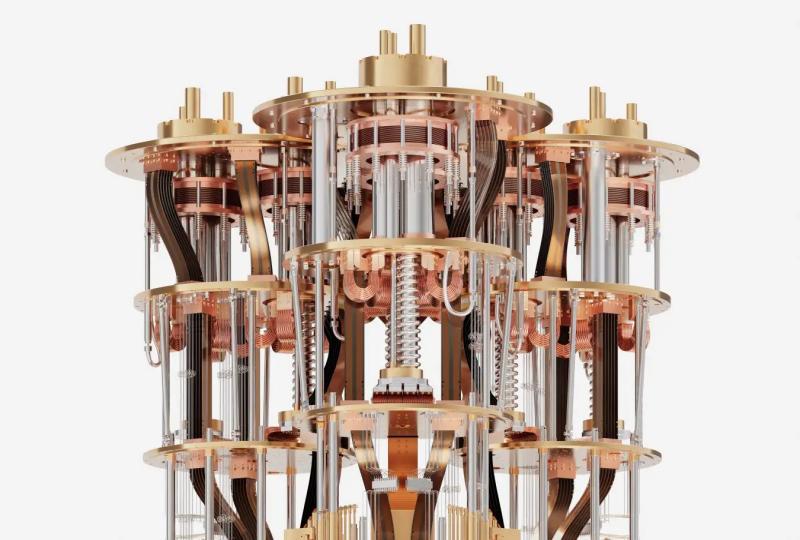
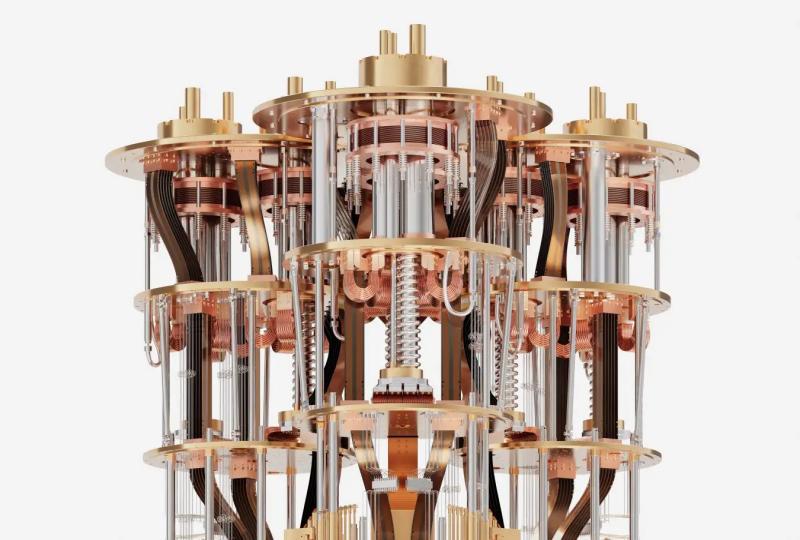
These components must work together within a compatible experimental environment. Researchers exploring a complete superconducting quantum computer can consider how processor hardware, control electronics, and supporting infrastructure fit into their research requirements.
The required configuration depends on the processor design, channel count, and intended experiments.
Other Quantum Architectures Require Different Approaches
Ion-trap and neutral-atom systems may use lasers, optical components, radio-frequency signals, or other specialized equipment. Their control requirements differ from those of superconducting processors.
This distinction matters when comparing products: a quantum control system should be evaluated against the physical architecture and experimental workflow it is designed to support.
What Causes Quantum Control System Integration Problems?
Even capable individual components can be difficult to operate together if the complete setup has not been planned carefully.
Mismatched Hardware Interfaces
Control electronics, processors, and measurement equipment must have compatible interfaces and operating specifications. Differences in signal requirements, connections, or synchronization methods can introduce integration work.
Before selecting equipment, laboratories should confirm the relevant interfaces and identify which components require additional configuration.
Fragmented Software and Data Workflows
When separate tools manage signal configuration, experiment execution, and measurement analysis, researchers may need to transfer settings and data manually.
Clear software interfaces, consistent data formats, and documented experimental procedures can simplify this process and reduce avoidable errors.
Limited Calibration and Performance Records
Without reliable records of calibration settings and experimental conditions, it can be difficult to explain why results change between runs.
Maintaining measurement data, configuration details, and calibration history helps researchers investigate inconsistencies and improve reproducibility.
How Can a Research Lab Build a More Effective Control Setup?
A practical selection process begins with the experiment rather than a list of equipment features.
Start With the Research Requirements
Before choosing hardware, laboratories should define:
-
The quantum processor architecture and target experiments.
-
The required control channels, frequency ranges, and signal characteristics.
-
The measurement and data-acquisition requirements.
-
The available software, cryogenic infrastructure, and laboratory interfaces.
-
Expected expansion needs and technical support requirements.
This information provides a more useful basis for comparing systems than a single specification in isolation.
Evaluate Control and Measurement as a Connected System
Control, measurement, and data acquisition must work together throughout an experiment. Our quantum control and measurement system provides a starting point for exploring hardware designed for quantum experimental workflows.
When assessing a particular configuration, researchers should verify its supported functions, interfaces, specifications, and compatibility with their processor and experimental requirements.
Plan for Reproducibility and Future Research
A well-planned setup should support consistent experimental execution, accessible data, and manageable calibration procedures. Laboratories should also consider maintenance, staff training, and the possibility of introducing new experiments or equipment later.
When evaluating potential suppliers and system configurations, researchers can learn more about SpinQ and our quantum computing focus to understand our background and areas of work. The final equipment selection should still be based on verified technical specifications, compatibility, and the laboratory’s research objectives.
Planning for these needs from the beginning can simplify daily operation and help research teams adapt their experimental workflows over time.
Where Are Quantum Computing Control Systems Heading?
Several development priorities are shaping quantum control research:
-
More flexible waveform generation: Greater control over signal parameters can support more demanding experiments.
-
Automated calibration: Improved automation can reduce repetitive manual procedures.
-
Integrated measurement workflows: Better coordination between control, readout, and data processing can simplify experiments.
-
Expandable architectures: Modular hardware and software interfaces can make system development more manageable.
-
Reproducible operation: Consistent configuration and data recording can help researchers compare results across experiments.
Progress will depend on how effectively these capabilities work together within real laboratory environments.
Conclusion
A quantum computing control system does more than generate signals. It connects software instructions with hardware operations, coordinates timing, supports measurement, and helps researchers execute experiments consistently.
When selecting a system, laboratories should consider signal quality, synchronization, measurement capabilities, calibration, software compatibility, and future expansion together. Matching these capabilities to the processor architecture and research objectives provides a stronger foundation for reliable and reproducible quantum experiments.
.jpg)
Featured Content