
How Can a Curriculum-Based Educational Quantum Computer Improve Quantum Education?
2026.09.21 · Blog curriculum-based Educational Quantum Computer
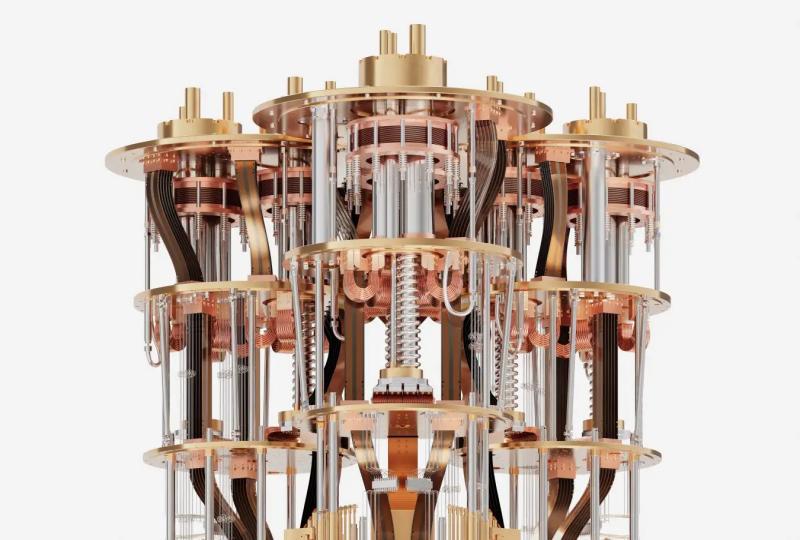
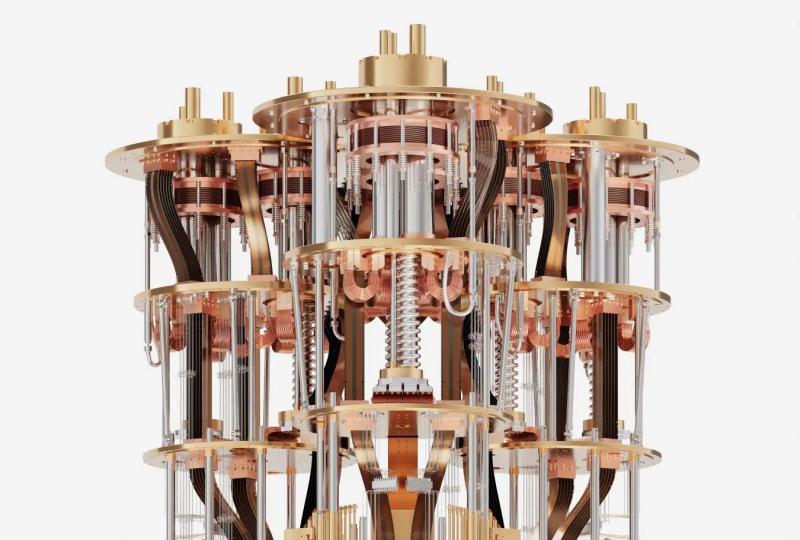
Quantum computing can be difficult to teach when students only encounter abstract concepts and theoretical explanations. A curriculum-based Educational Quantum Computer can close this gap by connecting classroom learning with programming, real hardware, and hands-on experiments.
The challenge is not simply giving students access to a quantum computer. A useful educational system should fit naturally into a course, support different stages of learning, and give students a clear path from concepts to practical experience. Should bring together equipment, learning resources, and teaching support for universities and science outreach institutions.
Why Does Quantum Education Benefit from Real Hardware?
Quantum computing becomes easier to understand when students can connect what they learn with what they can actually observe. Real hardware adds a practical layer to lessons and gives educators more ways to turn concepts into experiments.
Instead of treating hardware as a separate demonstration, a curriculum-based approach makes it part of the learning process. Students can move from classroom concepts to experiments and then use the results to deepen their understanding.
How Does a Curriculum-Based Educational Quantum Computer Support Learning?
The value of an Educational Quantum Computer comes from how well it fits into the teaching process. The equipment should support learning activities rather than require educators to redesign an entire course around the hardware.
A clear learning path can connect theoretical study, quantum programming, and real-machine practice. This approach also gives educators room to adjust the depth of learning according to the course and student level.
Connecting Lessons with Practical Experience
A course can gradually move from learning concepts to performing experiments. Students first understand the idea behind an operation, then work with a quantum circuit or program, and finally observe what happens on real equipment.
This connection makes the learning process more concrete and gives students a practical context for the concepts they encounter in class.
Building Learning Around Experiments
Experiments can also become part of regular coursework rather than occasional demonstrations. Our education solutions include staged quantum computing experiments and learning resources designed to combine theoretical study with real-machine practice.
This gives educators a practical way to connect classroom instruction with hands-on activities while keeping experiments aligned with the learning objectives of the course.
What Can Students Explore with Educational Quantum Computers?
Once theory and practice are connected, the curriculum can develop from guided learning activities to more involved experiments. The exact depth depends on the equipment and the goals of the course.
For higher-education teaching, our NMR quantum computing portfolio provides different options for classroom learning, programming, and experimental work.
Programming and Quantum Computing Exercises
The SPINQ Gemini™ Mini/Mini Pro is a 2-qubit portable NMR Quantum Computer with a built-in touchscreen, control system, and curriculum for teaching and self-learning. It provides a compact way to introduce practical quantum computing activities and demonstrations.
For courses that require more programming flexibility, the SPINQ Triangulum™ Ⅱ is a 3-qubit desktop NMR Quantum Computer. It supports any 3-qubit quantum algorithm and allows users to write quantum programs and edit pulse sequences at the hardware level.
Deeper Experimental Learning
When a course moves further into experimental work, students can explore quantum computing at different levels rather than stopping at programming.
The SPINQ Gemini™ Lab is designed as a one-stop experimental platform, supporting experiments from pulse-level to gate-level and algorithm-level. Its open architecture and RF technology support higher-education teaching and research activities.
Together, these options allow educators to match the depth of practical learning with the objectives of their curriculum. More information about our NMR Quantum Computers can help institutions compare the available educational platforms and their experimental capabilities.
How Can Quantum Computing Courses Progress from Theory to Practice?
A well-structured course does not need to introduce every concept at the same time. Learning can become more practical as students gain confidence.
From Concepts to Experiments
Students can begin with the ideas covered in class and then use experiments to see how those ideas work in practice. This creates a natural connection between learning and observation.
From Programming to Hardware
Once students are comfortable with quantum programs and circuits, real hardware gives them another layer of experience. They can move beyond writing code and explore how quantum operations are carried out on an actual system.
From Guided Activities to Independent Work
As students become more familiar with quantum computing, educators can give them more freedom to design programs and experiments. This creates a stronger foundation for advanced coursework and project-based learning.
Which Educational Quantum Computer Fits Your Curriculum?
Choosing an Educational Quantum Computer should begin with the learning goals rather than the hardware alone. A course focused on demonstrations and introductory learning may need a different setup from a university program that includes deeper experimental work.
The right choice can depend on several factors, including the number of qubits, programming requirements, experimental depth, available teaching resources, and the level of student participation expected in the course.
For example, a portable system can support introductory demonstrations and self-learning, while a more advanced platform can provide greater flexibility for programming and hardware-level experiments.
How Can Schools Build a More Practical Quantum Computing Curriculum?
The strongest learning experience comes when equipment, teaching materials, and classroom activities work together. Rather than adding a quantum computer as an isolated piece of equipment, educators can integrate it into the existing learning path.
A practical curriculum can gradually connect:
-
Quantum computing concepts
-
Quantum programming
-
Circuit-based exercises
-
Real-machine experiments
-
Experimental observation
-
More advanced student projects
Our education approach supports different learning scenarios, including university and secondary-school education. It combines theoretical study with real-machine practice so that students can gradually develop both conceptual understanding and practical skills.
Why Choose a Curriculum-Based Educational Quantum Computer?
A curriculum-based system gives educators more than access to hardware. It creates a practical connection between what students learn, what they program, and what they can explore through experiments.
This connection is particularly useful when an institution wants quantum computing to become part of a structured course or laboratory rather than a one-time demonstration. The combination of hardware, learning resources, and practical activities can support a more consistent learning experience.
Our approach to quantum education and quantum courses also focuses on connecting theoretical learning with interactive and hands-on activities.
Bring Quantum Computing into the Classroom
A curriculum-based Educational Quantum Computer can turn quantum computing from an abstract subject into a more engaging learning experience. By connecting theory, programming, hardware, and experiments, educators can build a clearer path from classroom learning to practical quantum computing.
Whether you are developing a university course, building a quantum computing laboratory, or expanding an existing education program, we can help you choose an Educational Quantum Computer that fits your teaching goals and level of experimentation.
Featured Content