
How Can an Educational Quantum Computer Support for Quantum Education?
2026.09.23 · Blog for quantum education Educational Quantum Computer
Quantum computing is easier to understand when students can connect concepts with real experiments. An Educational Quantum Computer brings quantum hardware into the learning environment, giving students opportunities to explore quantum computing through programming, experiments, and measurement.
For universities, secondary schools, and science outreach institutions, this practical approach can turn quantum education from a mainly theoretical subject into an interactive learning experience.
Why Is an Educational Quantum Computer Important for Quantum Education?
Quantum education requires more than explaining concepts in a classroom. Students also need a way to see how quantum computing works in practice. That is where accessible quantum hardware becomes valuable.
Our Quantum Education Solution combines equipment, learning resources, and educational support for universities and science outreach institutions. The solution includes university and secondary-school laboratory configurations, with real quantum computer equipment, staged experiments, and a combination of theoretical study and real-machine practice.
How Does an Educational Quantum Computer Support Student Learning?
Once students can work with real quantum hardware, lessons can move naturally from concepts to practice. The right equipment should therefore support different stages of learning instead of being limited to demonstrations.
Learn Through Real Quantum Experiments
Students can connect what they learn in class with physical quantum experiments. This creates a clearer link between quantum concepts and experimental results.
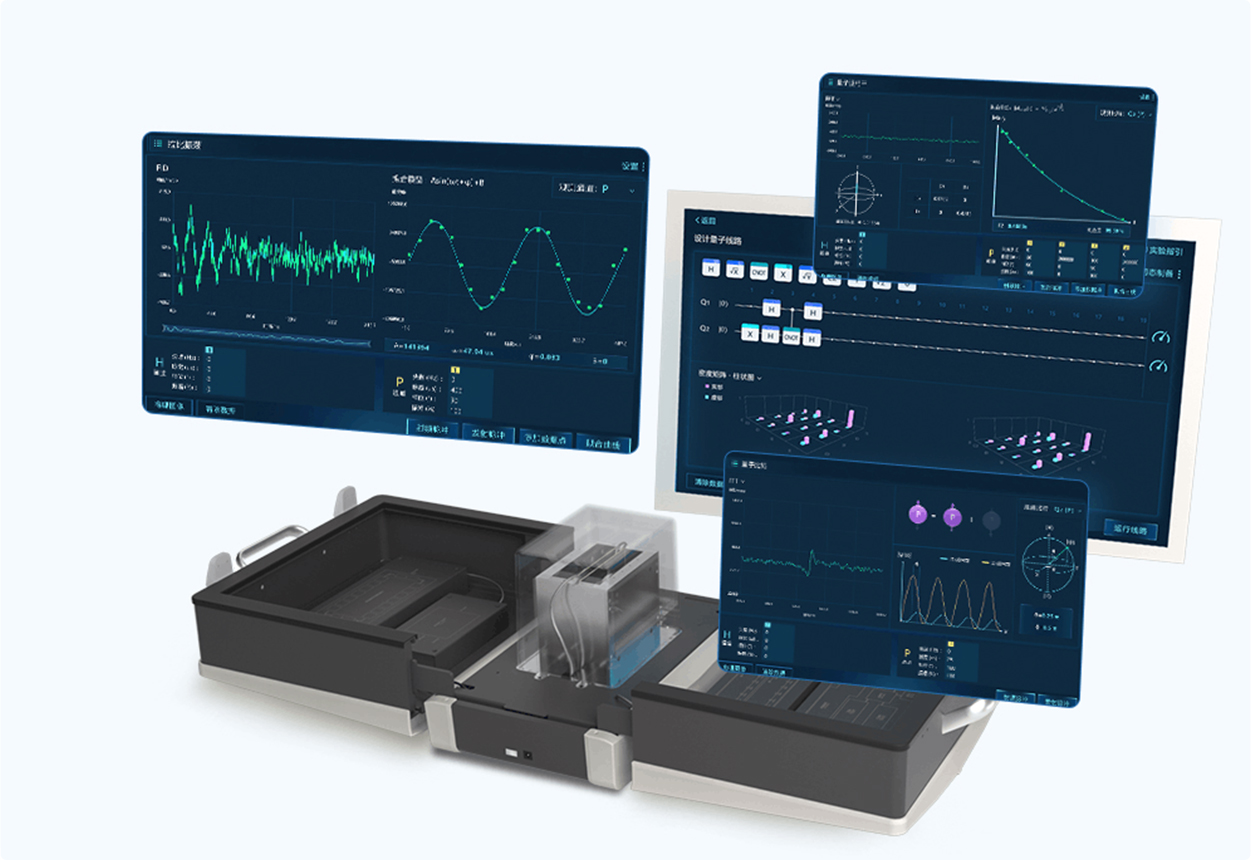
For more advanced learning, our SPINQ Gemini™ Lab provides a one-stop experimental platform covering quantum mechanics through quantum computing. Its open architecture supports experiments at the pulse, gate, and algorithm levels, making it suitable for higher-education teaching and research.
Practice Quantum Programming
Programming gives students a direct way to work with quantum circuits and algorithms. Instead of only studying circuit diagrams, they can write programs and observe the resulting operations.
For example, SPINQ Triangulum™ Ⅱ is a 3-qubit desktop NMR quantum computer that supports any 3-qubit quantum algorithm. It also allows users to write quantum programs freely and edit pulse sequences at the hardware level.
Connect Operations With Results
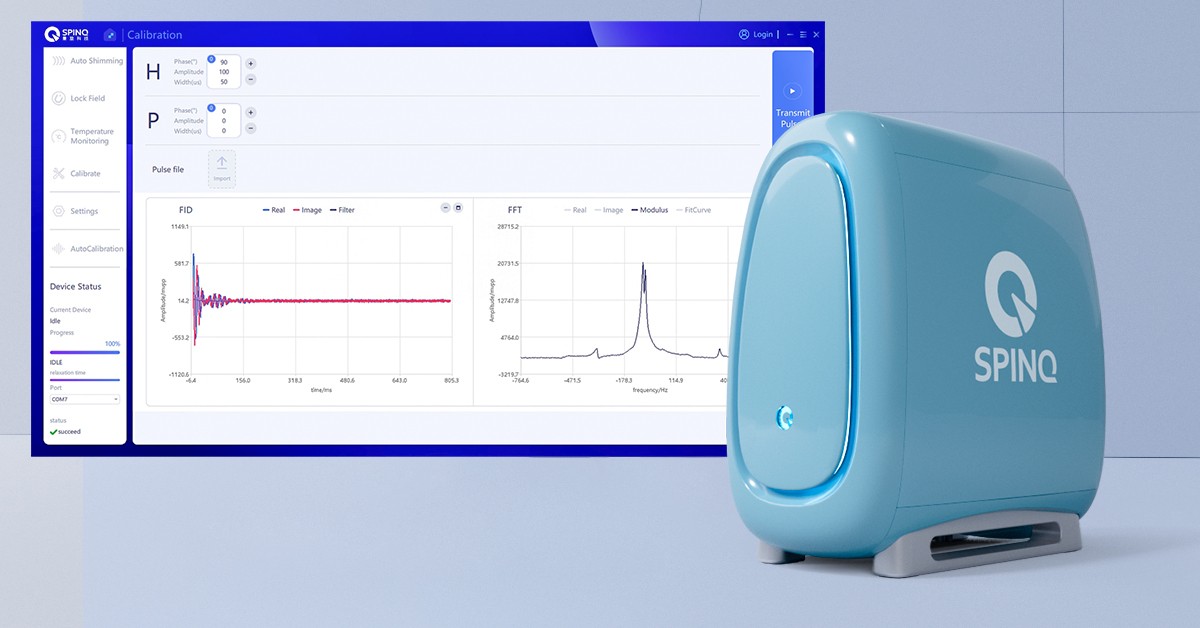
Quantum experiments become more meaningful when students can examine the results of their operations. This helps them connect quantum programs and experimental procedures with measurable outcomes.
The learning process can therefore move in a simple sequence: understand a concept, run an experiment, observe the result, and discuss what happened.
What Can Students Learn With an Educational Quantum Computer?
The learning value of quantum hardware depends on how it is used in the curriculum. With appropriate equipment and resources, students can progress from introductory concepts to programming and more advanced experiments.
Quantum Computing Concepts
Students can explore the principles behind quantum computing through practical activities rather than studying concepts in isolation.
Quantum Algorithms and Programming
Programming activities allow students to implement quantum algorithms and understand how quantum operations are organized into circuits.
Quantum Experimental Techniques
For students moving toward more advanced study, open experimental systems can provide deeper interaction with quantum hardware. Our Spin Qubit Experimental System supports the observation of quantum physical phenomena, fundamental quantum experimental techniques, and practical radio frequency and digital signal processing.
Which Educational Quantum Computer Fits Your Teaching Needs?
Different teaching environments call for different levels of hardware access. A compact system may be suitable for demonstrations and introductory programming, while a more open platform can support advanced experiments and research-oriented teaching.
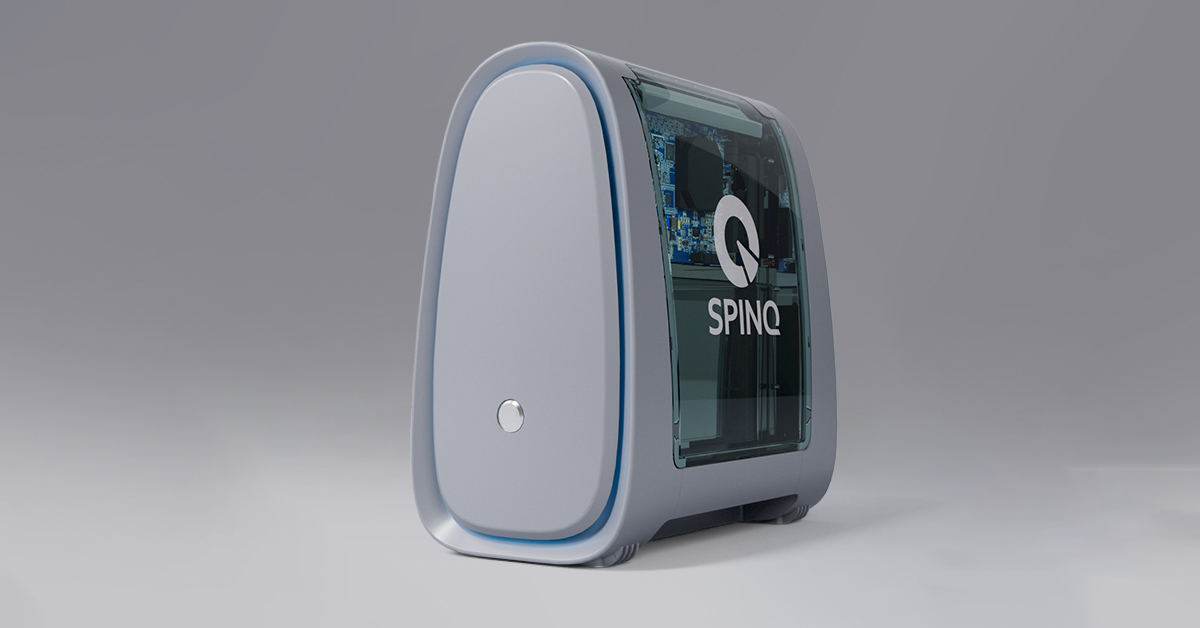
For introductory education and demonstrations, SPINQ Gemini™ Mini/Mini Pro is a 2-qubit portable NMR quantum computer with a built-in touchscreen and control system, together with a curriculum for teaching and self-learning. For broader programming and algorithm work, SPINQ Triangulum™ Ⅱ provides 3 qubits and open hardware-level pulse sequence editing.
The choice should ultimately follow the learning objectives, student level, and depth of experimentation you want to provide.
How Can Quantum Education Combine Theory With Practice?
A strong quantum education program works best when theoretical learning and practical work reinforce each other. Students first learn the idea, then use the equipment to explore it and examine the results.
Our education solutions are structured around this connection, with staged quantum computing experiments and learning resources designed to help students understand quantum computing through both theoretical study and real-machine practice.
This approach can support different teaching environments, from university laboratories to secondary-school programs and science outreach activities.
How Can an Educational Quantum Computer Become Part of a Complete Quantum Education Program?
A quantum computer is only one part of an effective teaching program. The surrounding resources and teaching structure also matter, especially when an institution is developing a new quantum course or laboratory.
A practical program can bring together:
-
Educational quantum hardware
-
Structured experiments
-
Teaching and learning resources
-
Quantum programming practice
-
Instructor support
-
Different learning levels
This gives educators more flexibility to build courses around their existing teaching objectives while giving students more opportunities for hands-on learning.
Why Choose SpinQ for Quantum Education?
We focus on bringing quantum computing into practical educational and application scenarios. Founded in 2018, SpinQ develops superconducting quantum computers, NMR quantum computers, a quantum cloud platform, and application software. Our products have reached more than 40 countries and regions worldwide.
For education, we combine quantum hardware with learning resources and scenario-based solutions. This allows institutions to choose from portable systems, desktop quantum computers, and more open experimental platforms according to their teaching and research needs.
How Can You Bring an Educational Quantum Computer Into Your Program?
The right starting point is your teaching objective. Consider the type of students you teach, the experiments you want them to perform, and how deeply you want them to interact with quantum hardware.
Whether you are planning a quantum computing course, building an experimental classroom, or expanding an existing education program, we can help you identify a suitable configuration.
Explore our Educational Quantum Computer solutions or contact our quantum education team to discuss your teaching and laboratory requirements.
Featured Content