
What Can an Educational Quantum Computer Solution Provider Offer Universities?
2026.09.23 · Blog Educational Quantum Computer Solution Provider
Choosing an educational quantum computer solution provider involves more than selecting a quantum computer. For universities and research-focused teaching programs, the real requirement is often a practical combination of hardware, experimental content, software, teaching materials, and implementation support.
That is why a complete solution needs to connect classroom objectives with hands-on experience. Our quantum education solution brings together equipment, learning resources, and educational support to help institutions build quantum computing courses, experimental classrooms, and practical training programs.
What Should an Educational Quantum Computer Solution Include?
An effective education program needs more than hardware placed in a laboratory. Students need a clear path from structured experiments to independent exploration, while instructors need materials and tools that fit their existing courses.
A solution provider therefore needs to address several connected parts of the teaching process:
-
Real quantum computing equipment for hands-on experiments
-
Structured experimental content
-
Quantum computing courses and teaching materials
-
Software for circuit design and experiment execution
-
Configurations adapted to different academic disciplines
-
Support for instructors and practical implementation
Keeping these elements together makes it easier for an institution to turn quantum computing from a demonstration topic into a repeatable teaching activity.
How Can Real Quantum Hardware Fit Into University Teaching?
Once the overall teaching requirements are clear, the next question is how the hardware should be used in the classroom. A useful educational quantum computer should give students opportunities to design, operate, observe, and analyze experiments rather than simply watch a demonstration.
For this reason, our university solutions combine quantum computing equipment with experimental platforms and teaching content. A university experimental classroom can be integrated into physics laboratory courses or dedicated quantum information courses, with configurations adapted to Quantum Information Science, Physics, Computer Science, and other science and engineering majors.
A Practical Path From Coursework to Experiments
The teaching process can be organized around staged experiments. Students can work with quantum circuits and real quantum hardware while connecting experimental results with the concepts covered in class.
For computer science students, the focus can move toward circuit design and algorithm execution. Physics students can explore quantum mechanics, nuclear magnetic resonance, and related experiments. This flexibility allows the same educational environment to support different learning objectives without forcing every program into the same course structure.
Which Educational Quantum Computer Fits Different Learning Needs?
Different institutions may require different levels of hardware access and experimental depth. A portable system can be useful for demonstrations and introductory learning, while a laboratory platform can support a broader range of experiments and more advanced coursework.
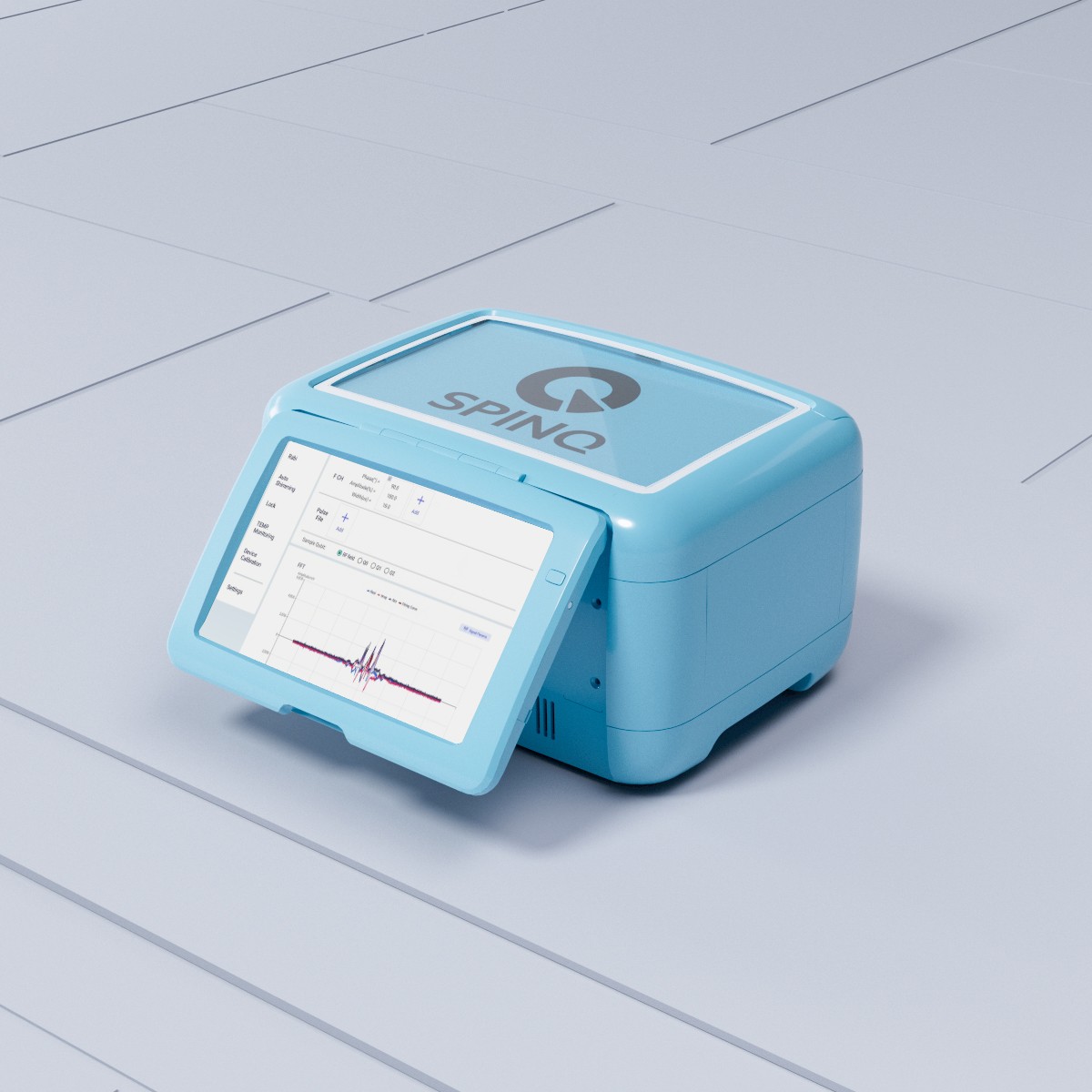
Our educational quantum computer portfolio is therefore structured around different teaching scenarios. For example, SPINQ Gemini Mini/Gemini Mini Pro are 2-qubit portable NMR quantum computers with an integrated touchscreen, control system, and curriculum resources for teaching and self-learning.
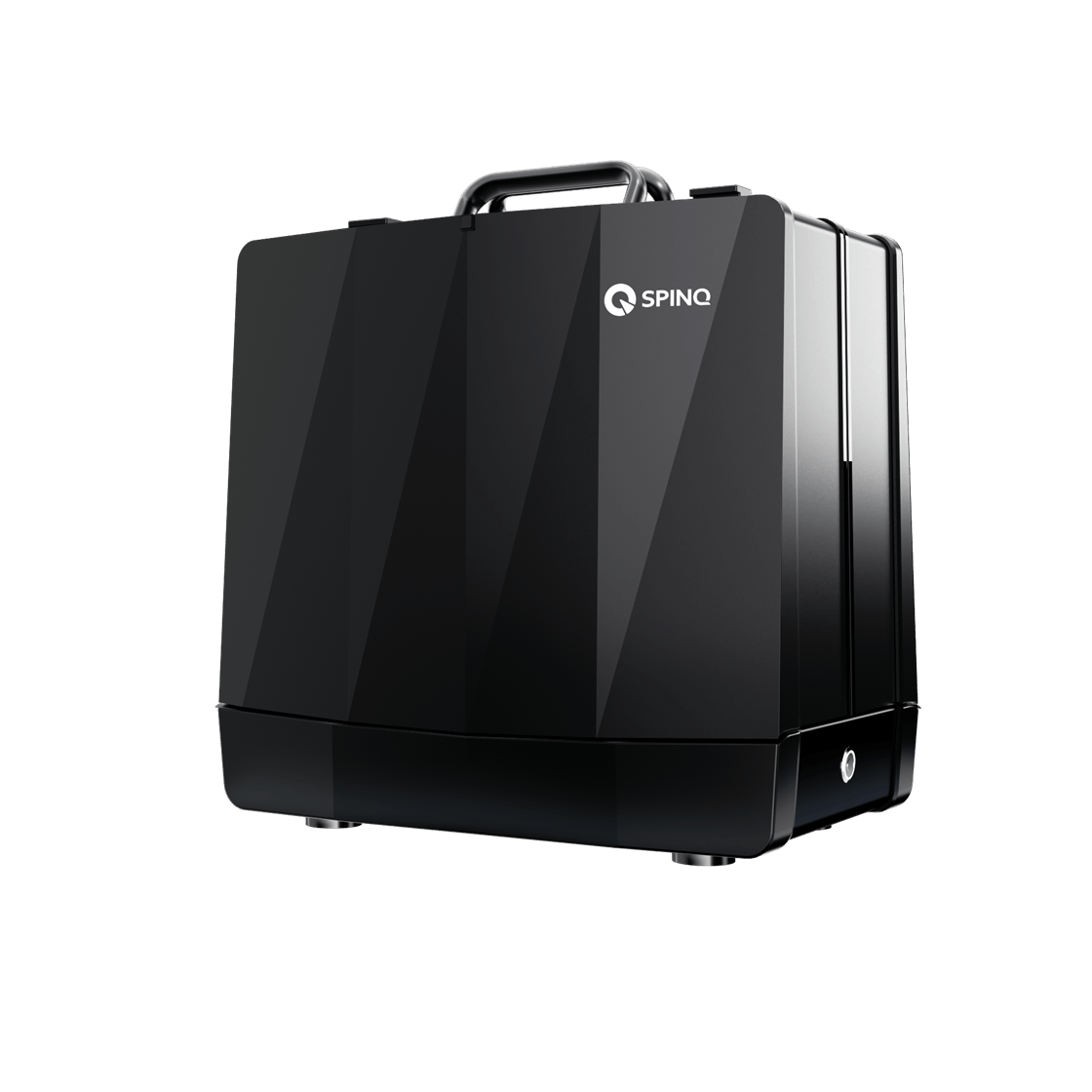
For broader university laboratory work, SPINQ Gemini Lab provides an experimental platform covering quantum mechanics through quantum computing, with experiments extending from pulse-level and gate-level work to algorithm-level activities.
When a Portable System Makes Sense
Portable equipment can be useful when an institution needs flexibility across classrooms, demonstrations, workshops, or smaller teaching environments. It can also lower the practical barrier to introducing real quantum hardware into existing educational activities.
When a Laboratory Platform Is More Suitable
A dedicated laboratory environment becomes more useful when students need repeated experiments, deeper hardware interaction, and a structured progression through multiple topics.
In this setting, the goal is not simply to provide more hardware. It is to create enough experimental depth for students to move from guided activities toward more independent work.
How Do Courses and Teaching Resources Complete the Solution?
Hardware becomes much more useful when it is supported by content that instructors can incorporate into an actual course. Without that connection, even capable equipment may remain limited to occasional demonstrations.
Our quantum education offering includes both experimental and theoretical courses. University experimental courses can be customized for Quantum Information Science, Physics, Computer Science and Technology, and other science and technology majors. Institutions can also explore our quantum computing courses when developing structured teaching content around their laboratory setup.
From Structured Experiments to Independent Learning
A well-organized course can gradually increase the level of student participation. Early activities can focus on guided experiments, while later work can involve quantum circuit design, algorithm testing, experimental control, and analysis.
This progression gives instructors more flexibility to adapt the same hardware environment to different student levels and course objectives.
How Can an Educational Quantum Computer Solution Support Different Majors?
Quantum education does not belong to a single academic discipline. Universities may introduce it through physics, computer science, quantum information, engineering, or interdisciplinary programs.
That makes configuration flexibility especially important. Our university solutions can combine hardware, course materials, software, and services according to the needs of different majors.
Physics Programs
Physics teaching can combine quantum computing with quantum mechanics and nuclear magnetic resonance experiments, helping students connect theoretical concepts with observable experimental processes.
Computer Science Programs
Computer science students can use real quantum hardware to design and test quantum algorithms. This creates a direct connection between programming, circuit construction, execution, and experimental results.
Quantum Information Programs
For dedicated quantum information programs, a broader combination of theoretical courses, experimental platforms, and quantum computing equipment can support both foundational teaching and more advanced experimental work.
What Makes a Quantum Education Solution Easier to Build and Expand?
A long-term education program needs room to develop. An institution may begin with a small number of teaching experiments and later add laboratory courses, interdisciplinary projects, or research-oriented activities.
This is where a solution-based approach becomes useful. Instead of treating equipment, software, and teaching materials as separate purchases, they can be organized into a connected educational environment.
Our education solution supports university and secondary-school classroom configurations, as well as applications such as quantum science outreach and quantum computing research. The university classroom model can also be customized around different teaching purposes and academic majors.
Building a Teaching Path Around Real Experiments
The aim is to give students repeated opportunities to work with quantum systems rather than limiting their exposure to a single demonstration.
A program can therefore develop from introductory experiments to algorithm work, programming activities, and more open-ended projects. This creates a more continuous learning path while allowing instructors to adjust the depth according to their courses.
Why Choose SpinQ as an Educational Quantum Computer Solution Provider?
For institutions looking beyond a standalone quantum computer, the value of a solution provider lies in how well the different parts work together.
We combine educational quantum hardware with experimental platforms, software, courses, and teaching resources to support different levels of quantum education. Our approach can be configured for university laboratories, dedicated quantum information courses, physics and computer science teaching, and broader science education programs.
The result is a practical framework in which hardware is connected to curriculum and experimentation rather than treated as an isolated technology purchase.
If your institution is planning a new quantum course, upgrading an existing laboratory, or creating a dedicated quantum computing teaching environment, our quantum education solution provides a practical starting point for connecting equipment, courses, and teaching resources.
Featured Content