
What Does a Turnkey Solution Include for a Superconducting Quantum Computing System?
2026.09.22 · Blog turnkey solution Superconducting Quantum Computing System
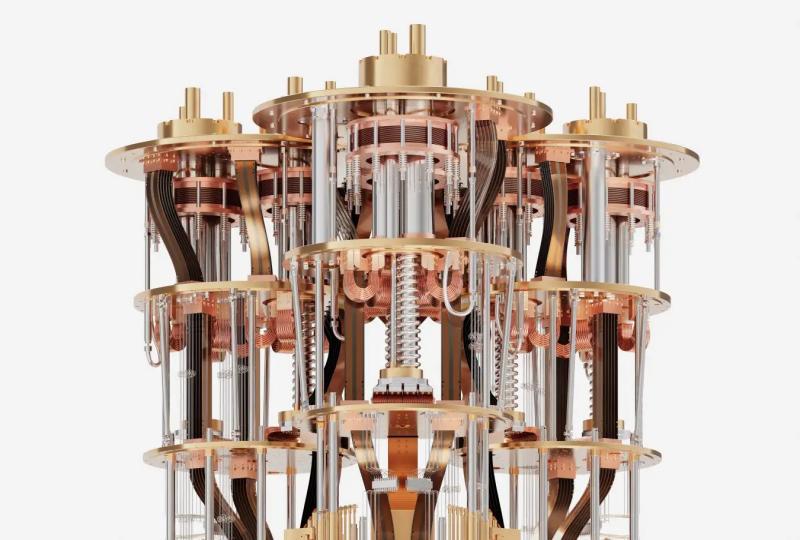
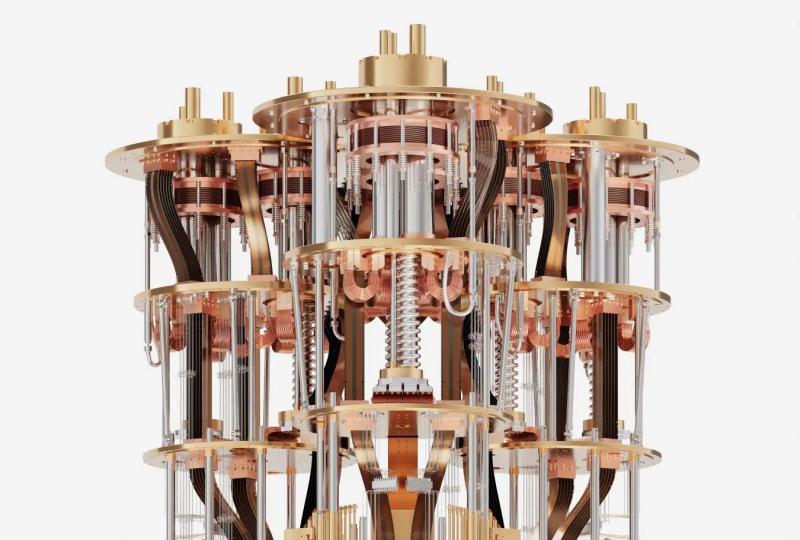
A superconducting quantum computing system is more than a quantum processor. It needs a coordinated combination of the QPU, cryogenic environment, quantum control and measurement, and software to operate as a complete platform. A turnkey solution brings these elements together with system integration and deployment support, helping research teams move from individual components to an operational quantum computing environment.
For customers exploring a superconducting quantum computing system, the key question is not simply how many qubits a system has. It is how the major components work together and what is included in the complete solution.
What Does a Turnkey Superconducting Quantum Computing System Include?
A complete system combines several technical layers. Each one has a specific role, but the value of a turnkey solution comes from making these layers work together as one system.
Superconducting QPU
The QPU is the core computing component. Our superconducting QPU C Series operates at ultra-low temperatures of around 20 mK and is designed for high-coherence and high-stability quantum computing applications. The series includes C10, C25, and C103 configurations.
For example, the C25 Pro provides 25 qubits, a 5×5 two-dimensional lattice topology, tunable couplers, median T₁ of at least 60 μs, and median single-qubit gate fidelity of at least 99.8%.
Cryogenic Environment
The QPU must operate in a stable ultra-low-temperature environment. That makes the cryogenic system an essential part of the overall solution rather than a separate supporting component.
Our cryogenic deployment services cover dilution refrigerators, cryogenic RF components, laboratory retrofitting, integration, and maintenance. This allows the cryogenic environment to be planned around the requirements of the quantum computing system.
Quantum Control and Measurement
Once the QPU and cryogenic environment are in place, the system needs precise electronics to control and measure the qubits.
Our QCM System uses modular RF control electronics and FPGA-based hardware acceleration. It is designed to manage the measurement and control of hundreds of qubits and supports qubit characterization and calibration.
Quantum Software
The final layer connects the physical system with quantum programming and experimental workflows. Software allows users to configure experiments, control quantum operations, collect measurement results, and work with the underlying hardware.
When these layers are designed to work together, users do not have to treat the QPU, control system, cryogenics, and software as isolated parts.
How Are the Components Integrated Into One Quantum Computing System?
Integration is what turns individual components into a usable system. The QPU must work with the cryogenic environment, while the control and measurement system must communicate accurately with the qubits. Software then provides the interface for running and managing quantum experiments.
Our superconducting quantum computing architecture brings together QPU hardware, milli-kelvin cryogenics, QCM, and software within one system. The S25 and S25 Pro configurations each provide 25 qubits, while customized solutions can range from 5 to 25 qubits.
This integrated approach also matters during deployment. Instead of treating installation, system integration, and optimization as separate tasks, a turnkey solution connects them into a more coordinated process.
For a closer look at how these layers work together, our guide to superconducting quantum computer architecture explains the relationship between the QPU, cryogenic infrastructure, control electronics, and software.
What Should You Consider When Choosing a Turnkey Solution?
Once the basic system structure is clear, the next step is to look at whether the configuration matches your research requirements. Qubit count matters, but it should be considered alongside coherence, gate fidelity, control capabilities, and system scalability.
Qubit Count and Connectivity
Qubit count indicates the scale of the processor, while topology and coupling determine how qubits can interact.
For example, our C25 Pro uses a 5×5 two-dimensional lattice and tunable couplers, providing a defined architecture for multi-qubit experiments.
Coherence and Gate Fidelity
T₁ and T₂ describe how long quantum information can remain coherent, while gate fidelity indicates how accurately quantum operations can be performed.
The C25 Pro provides median T₁ of at least 60 μs and median T₂ of at least 30 μs, with median single-qubit gate fidelity of at least 99.8% and median two-qubit gate fidelity of at least 99%.
Control and Measurement
A quantum processor also depends on the quality and flexibility of its control system. Look for appropriate RF capabilities, measurement channels, sampling performance, and calibration support according to the experiments you plan to run.
Scalability
A turnkey system should also fit your longer-term research plans. A modular architecture can make it easier to select an initial configuration while leaving room for future development.
The SPINQ QPU C Series includes 10-, 25-, and 103-qubit configurations, while customized superconducting quantum computing solutions can be tailored to specific research or application requirements.
How Can a Turnkey Solution Support Quantum Research?
The right configuration depends on what you want to do with the system. A research team developing quantum algorithms may have different requirements from a team working on quantum hardware, simulation, or application research.
A complete superconducting quantum computing system can provide the hardware and infrastructure needed for areas such as quantum algorithm development, quantum simulation, quantum chemistry, materials research, and financial technology. The goal is to give researchers an integrated platform rather than requiring them to assemble every technical layer independently.
For organizations planning a broader quantum computing program, our quantum computing solutions cover superconducting quantum computers alongside other quantum computing products and software.
What Makes a Turnkey Solution Practical for Long-Term Use?
A quantum computing system does not end with hardware delivery. Installation, calibration, system maintenance, and technical support can all affect how effectively the platform is used over time.
That is why our turnkey approach extends beyond individual components. We provide system solution tailoring, professional installation and training, technical support, and cryogenic environment deployment. These services help connect system planning with practical operation.
For organizations that already have specific laboratory or application requirements, the solution can be tailored around the required QPU scale, cryogenic environment, control system, and research objectives.
Explore a Turnkey Superconducting Quantum Computing System
A turnkey superconducting quantum computing system brings the key layers of quantum hardware and infrastructure into one coordinated solution: QPU, cryogenic environment, quantum control and measurement, software, and deployment support.
The right configuration depends on your required qubit scale, experimental goals, control requirements, and future development plans. If you are planning a superconducting quantum computing platform, you can discuss your quantum computing requirements with our team and explore a suitable system configuration.
Featured Content