
How to Choose a Wholesale Superconducting Quantum Computer for AI?
2026.09.14 · Blog wholesale superconducting quantum computer for AI
AI research teams evaluating quantum computing need more than access to a quantum processor. They need a superconducting quantum computing system that connects quantum hardware, precision control, cryogenic infrastructure, and hybrid software development in a practical deployment path.
For institutional procurement, a wholesale superconducting quantum computer is typically a project-level system purchase. The configuration may include a superconducting quantum processing unit (QPU), quantum control and measurement electronics, a cryogenic environment, development tools, integration support, and ongoing technical services.
What Should an AI Team Evaluate Before Procuring a Superconducting Quantum Computer?
AI-based quantum computing projects begin with a clear research objective. Some teams focus on quantum machine learning, while others evaluate quantum optimization, hybrid model training, scientific simulation, or new approaches to complex data processing.
Quantum resources should be evaluated alongside classical computing infrastructure. This makes it possible to design hybrid workflows in which classical processors manage data preparation, optimization loops, and model evaluation, while quantum circuits are used for selected computational steps.
When defining a procurement plan, teams should clarify:
-
The target AI or quantum machine learning application
-
Whether the project requires local hardware access, simulation, or both
-
The required QPU configuration and future scalability path
-
The need for pulse-level control, qubit characterization, and calibration
-
Software compatibility with existing AI and scientific computing workflows
-
Laboratory readiness for cryogenic equipment and quantum system integration
Why Is Superconducting Quantum Computing Relevant to AI-Based Solutions?
Quantum machine learning is an emerging field that explores how quantum computing can support artificial intelligence. Relevant research directions include computer vision, natural language processing, reinforcement learning, recommender systems, neural network optimization, and complex system modeling.
For these projects, the goal is not simply to add quantum hardware to an existing AI workflow. The more important task is to determine where quantum circuits, variational algorithms, and classical optimization can work together effectively. Our AI-based quantum computing solution supports this exploration by connecting quantum computing resources with AI-oriented research and development needs.
What Is Included in a Superconducting Quantum Computing System?
A deployable superconducting quantum computer is an integrated engineering system. Its performance depends on the interaction of the QPU, control electronics, cryogenic environment, software stack, and system-level calibration.
Superconducting Quantum Processing Unit
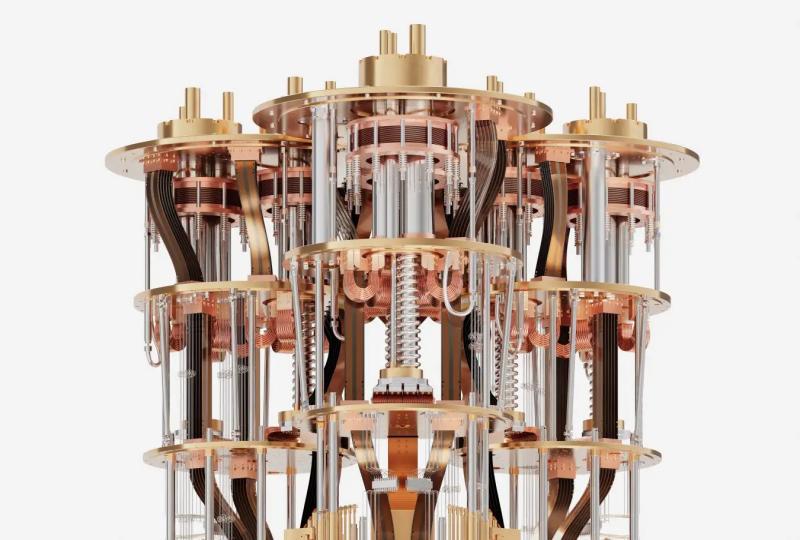
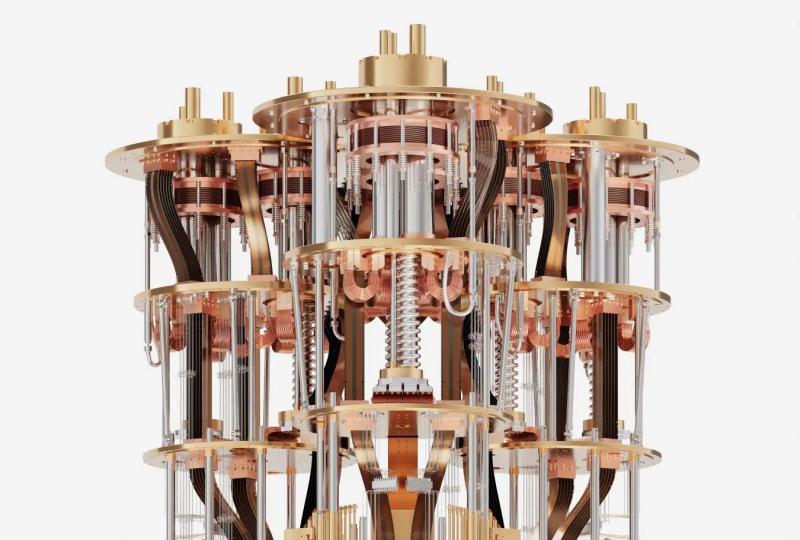
The superconducting QPU is the computing core of the system. Superconducting qubits are formed through circuits containing Josephson junctions and operate through macroscopic quantum effects. This architecture supports scalable qubit systems, high-fidelity gate operations, and controllable multi-qubit coupling.
Our superconducting quantum computing portfolio includes the SPINQ® SQC superconducting quantum computer and QPU C Series. The QPU C Series operates at approximately 20 mK and is designed for high-coherence, high-stability quantum computing applications, with a high Qi factor, extended coherence times, and circuit uniformity.

Quantum Control and Measurement
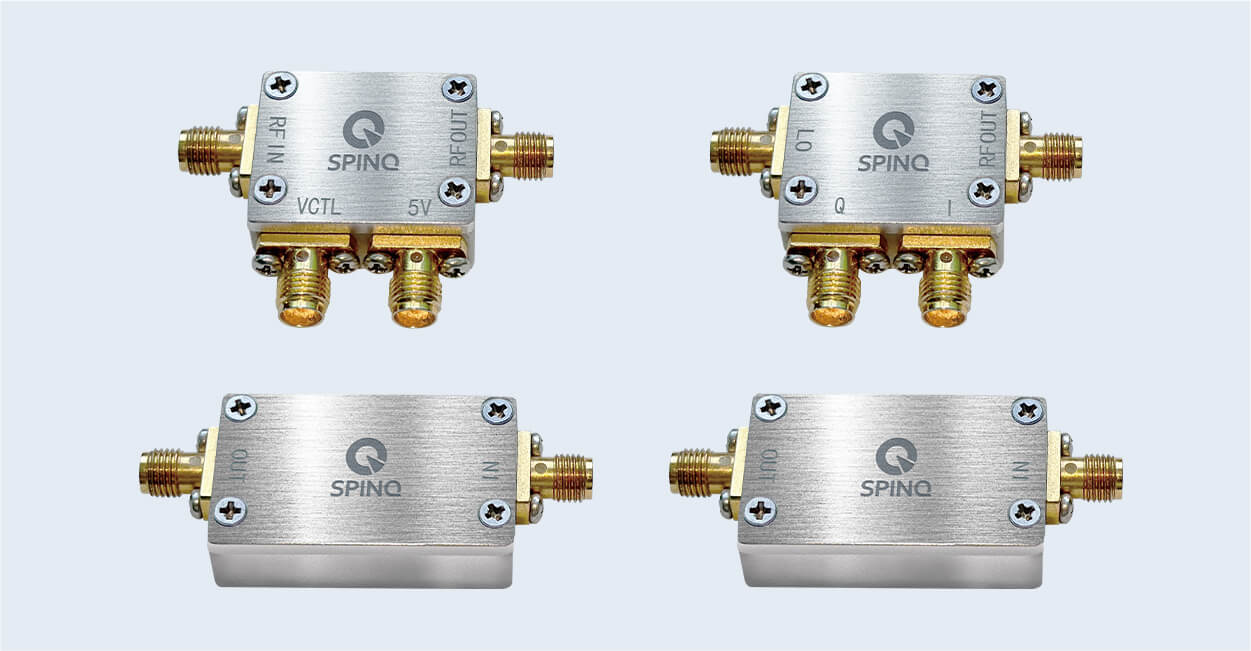
Quantum control and measurement electronics generate the RF signals used to manipulate qubits and acquire quantum-state readout signals. They also support qubit characterization, calibration, and the execution of quantum circuits on physical hardware.
For AI-oriented quantum research, this layer is particularly important because it connects high-level algorithms to the operating conditions of the QPU. A modular control architecture also provides a foundation for system expansion as research requirements evolve.
Cryogenic Environment Deployment
Superconducting quantum processors operate in an ultra-low-temperature environment. A stable cryogenic system is therefore essential for maintaining the operating conditions required for high-fidelity qubit control and measurement.
System deployment may involve dilution refrigerators, cryogenic RF components, laboratory retrofitting, equipment selection, installation, and maintenance planning. Treating these elements as part of one system architecture helps research teams prepare for commissioning, routine operation, and future upgrades.
How Does Quantum Software Support Hybrid AI Development?
Hardware availability alone does not create a usable AI-based quantum computing workflow. Research teams also need a software framework that supports algorithm development, circuit optimization, simulation, hardware execution, and classical-quantum integration.
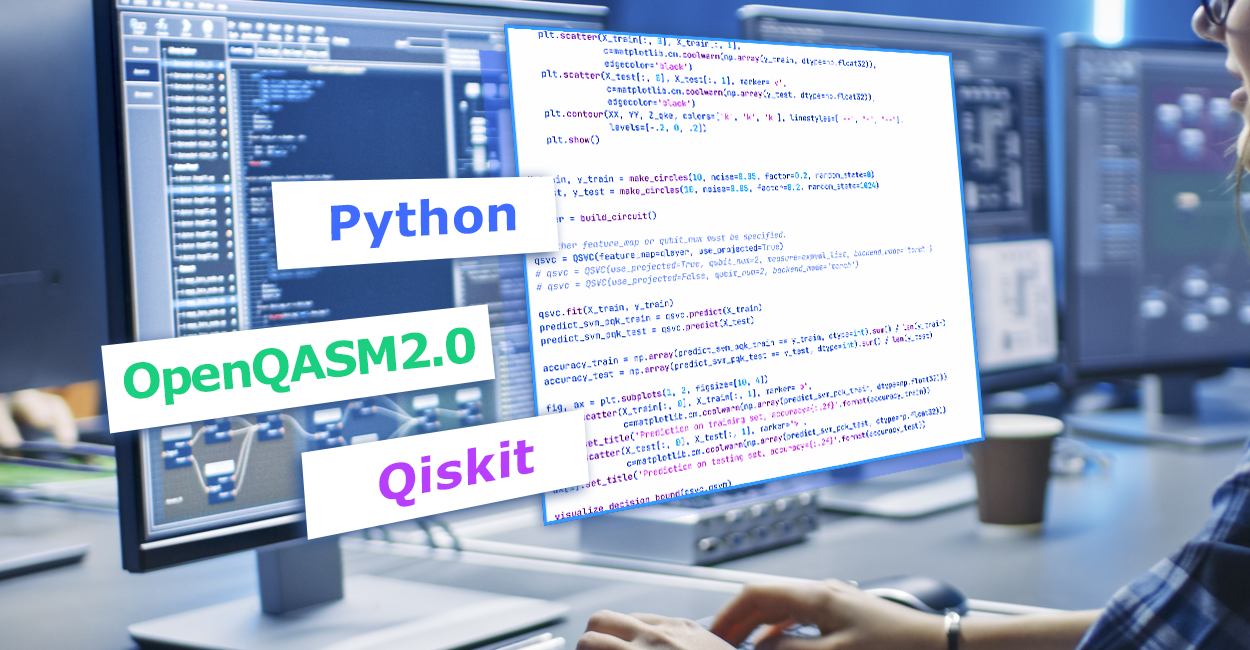
SPINQit supports Python programming and is compatible with Open QASM 2.0 and Qiskit syntax. Quantum programs can be submitted to real quantum computers, quantum simulators, SPINQ cloud resources, and QASM-based cloud platforms.
For quantum machine learning and AI-oriented research, SPINQit provides:
-
Variational quantum algorithms and quantum machine learning algorithms for the NISQ era
-
Integration with PyTorch, TensorFlow, and PaddlePaddle for classical-quantum hybrid programming
-
CPU and GPU quantum simulation, including noise simulation and backpropagation features
-
Quantum circuit optimization, hardware-topology transformation, and qubit mapping
-
Connections to local superconducting quantum computers, simulators, and supported third-party quantum platforms
Why Does Turnkey System Integration Matter in Quantum Hardware Procurement?
Procurement teams may consider purchasing the QPU, control electronics, cryogenic equipment, and software from separate suppliers. While this approach can provide flexibility, it also introduces additional integration work across hardware interfaces, RF signal paths, cryogenic components, software environments, calibration procedures, and maintenance responsibilities.
A turnkey superconducting quantum computing solution brings these layers into a coordinated deployment plan. This helps technical teams focus on quantum hardware research and AI application development rather than managing compatibility issues between independently sourced subsystems.
Our integrated approach covers superconducting QPUs, quantum control and measurement systems, cryogenic environment deployment, software tools, and system integration services. It supports organizations that are building local quantum research capabilities or planning a scalable quantum computing infrastructure.
How Can You Match the System Configuration to Your AI Research Roadmap?
The right superconducting quantum computer configuration depends on the maturity and scope of the AI-based project. Early-stage teams may begin with quantum simulation and hybrid algorithm prototyping, while established research groups may require local QPU access, deeper control capabilities, and a defined expansion roadmap.
Before selecting a system, consider the following technical questions:
-
Which AI task or research problem will the quantum workflow address?
-
Will the team develop and test algorithms on simulators before using physical hardware?
-
Is local deployment required for direct hardware research, data control, or internal capability building?
-
Does the project require pulse-level access, hardware characterization, or custom calibration work?
-
What laboratory infrastructure is available for cryogenic deployment?
-
How should the system scale as quantum hardware and AI research programs expand?
Build a Superconducting Quantum Computing Foundation for AI Research
AI-based quantum computing requires coordinated decisions across hardware, control, cryogenic engineering, software, and research workflow design. A clear technical roadmap makes it easier to identify the appropriate QPU configuration, deployment model, development framework, and support scope for a long-term quantum program.
For a tailored superconducting quantum computing proposal, including QPU selection, quantum control and measurement, cryogenic deployment, and hybrid AI development support, contact our team with your application objectives, laboratory conditions, and planned project timeline.
Featured Content